



What Is Motor Truck Cargo Insurance? A 2026 Guide for Truckers
Securing Your Freight with Comprehensive Cargo Insurance
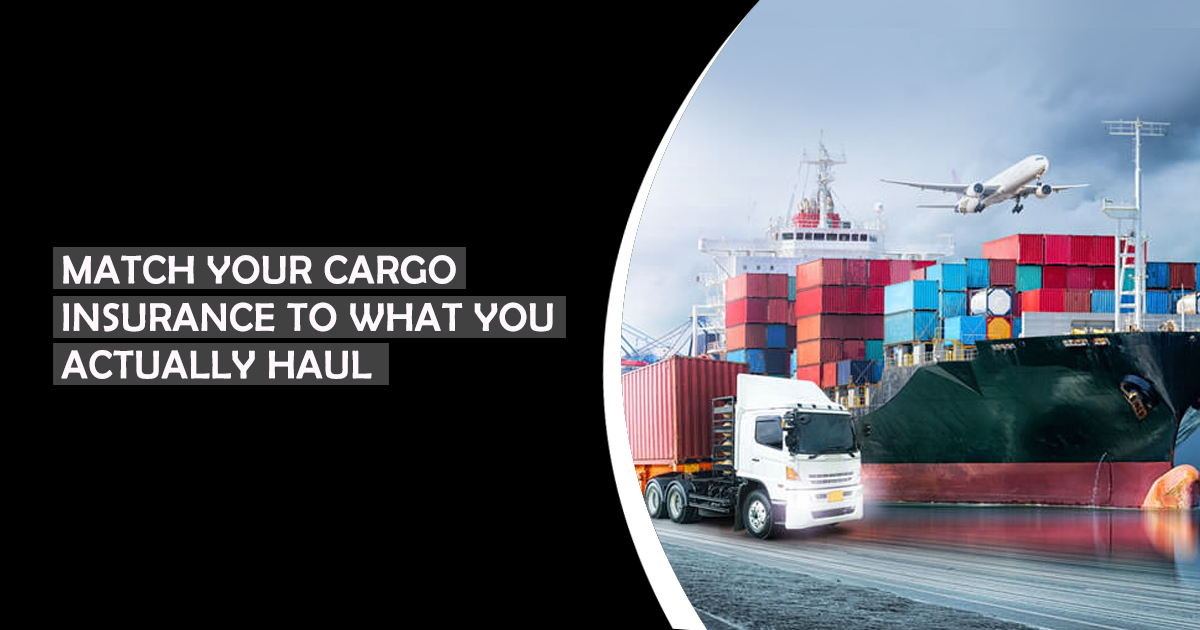
Securing your freight starts with one simple idea: make sure your cargo policy is crafted to cover what you really haul. In Texas and New Mexico, commercial haulers often focus on keeping trucks running, but it’s just as important to guard the value of the goods you carry. Even a single lost shipment can cost thousands out of pocket if it wasn’t properly insured. To avoid that risk, your next step is to review each load you move, then match an insurance plan to those needs.
Know What You Haul.
Start by listing your common loads. Are you mostly moving retail goods, construction materials, or food products? Each type of cargo has different risks (for example, perishables spoil if delayed; electronics can be worth very high amounts). Get a clear picture of what you usually carry. Write it down or use a simple spreadsheet. Include turnaround routes (say, Dallas to Albuquerque, or Amarillo to El Paso) since some corridors come with unique hazards like extreme heat or mountain weather. Pro Tip: Note anything unusually heavy, fragile, or high-value. A well-documented list of your shipments helps you see if your current coverage really matches what you haul.
Match Coverage to Your Loads.
Now compare that list to what your insurance actually covers. Your “motor truck cargo insurance” should pay to replace lost or damaged goods. Check your current limits (the maximum per shipment and per occurrence). For example, if your biggest load can be worth $50,000, make sure your limit is at least that high. Also look at exclusions: some plans only cover certain perils. If your goods travel through flood zones or hail-prone areas, confirm those are included. This is where Texas and New Mexico specifics come in. If you haul through West Texas’s desert regions or northern New Mexico’s mountain passes, think about risks like flash floods or sudden weather shifts. Does your policy cover delays due to storms, or cargo recovery if the truck gets stuck? Make a quick list of any “if this happens” scenarios that have happened or might happen on your routes, and ask your agent to double-check you’re covered for each one.
Use Helpful Endorsements.
Standard cargo insurance can be expanded to fill gaps. For example, a “common carrier” endorsement is important if you ever ship for multiple parties in one trailer. It means the policy responds no matter whose cargo is lost (common in drop-ship situations). Another big one: “broad form” coverage. Without it, some everyday snafus won’t be covered. Broad form makes sure casualty events like theft, flood, fire, or even attendant coverage (goods offloaded by you or a warehouse team) count. New trend for 2026: more carriers are expecting higher security standards, so consider frequency endorsements like requiring the cargo to be at least partially attended at all times. If you haul unattended loads overnight, you might add coverage that specifically protects goods left at a secure facility or yard. These extra endorsements are strong tools – think of them as safety belts for your coverage. They usually add a bit to your premium, but it’s far cheaper than replacing an entire shipment yourself.
Organize with Checklists and Templates.
Now get practical. Create a simple cargo checklist or template you can use on each run. Include fields for:
- Shipper name
- Cargo value
- Route
- Special instructions (like “liftgate needed” or “refrigerated space”)
Write down any coverage notes too, such as “insured for hail” or “FOB destination.” You can make this on paper or in a spreadsheet – even a shared smartphone note works. Every driver or dispatcher should fill it out before departure. This habit turns guesswork into data. Watch Out: If a load goes missing or is damaged, having these details ready speeds up claims and ensures the insurer doesn’t deny a claim due to missing information. It’s a simple step that builds a stronger case if something goes wrong.
Leverage Technology Wisely.
Trends in 2026 include more fleets using apps and telematics. You don’t have to buy expensive gear to win here. Even using a GPS tracking app or logging mileage in real time can help in claims. Why? Because insurers trust data. If a tracker shows your truck took a detour into a hailstorm, your claim will be faster to validate. It also shows you’re proactive about safety, which could mean better renewal terms. There are apps that let drivers upload photos of cargo at each stop, too – use those if you can. Pro Tip: Taking a quick snapshot of each load’s condition at delivery creates proof that the goods were fine when you dropped them off. That way if the consignee claims damage later, your insurer can quickly clear it up.
Review Regularly – Adjust Before You Sign Reset.
Trucking is busy; most operators just set and forget once they have a policy. Instead, make a calendar reminder to review your coverage at least once a year (or whenever you start hauling a new kind of freight). Has your route changed? New city or shift to more night driving? New cargo types? Let your agent know. For example, if you start hauling high-tech electronics to tech hubs in Texas, that’s a higher-risk, higher-value cargo than hauling stacked lumber. You’d likely need higher limits and maybe the broad form coverage to cover more perils. In New Mexico, if you begin contracts that cross into Mexico, you might need specific cover for international transit. Each of these changes should trigger a quick insurance check.
Check the Cost-Benefit.
Tailoring coverage may sound expensive, but think of it as savings. It prevents a much larger bill later. For instance, trucking insurance experts note that properly-insured haulers often see their claims paid in full, avoiding huge out-of-pocket costs that could stretch their cash flow. Try a small math check without exact numbers: If a policy endorsement costs a few extra dollars per load but saves you from losing tens of thousands of cargo value, that’s a big net win. If unsure, ask your agent for a rough quote on adding a particular coverage. Even if the premium edges up, you’re trading predictability for protection.
Keep Documents Handy.
Make a “Quick File” or folder (physical or digital) for each shipment’s documents, such as:
- Bills of lading
- Inventory list
- Claim forms
- Anything the insurer might ask
That’s a practical step you can do today. If a load never arrives, this folder is your lifeline. It speeds things up and leads to quicker payouts. Over time, you’ll notice a pattern: shipments done like this result in faster claim processing and fewer headaches.
Final Check – Policy Call.
Once you have your plan written out (shipments list, endorsement list, checklists done), schedule that call with your agent now. Don’t wait until something happens on the road. A good agent will walk through your notes with you, point out anything you missed (like if your carrier agreement requires cargo insurance, or if you need a “while in line” coverage for container docks). Brokers often have tools that compare, but keep it personal – mention the Texas/NM routes and cargo types you have. When you talk, say something like “I haul [cargo X] around [routes], and I want to make sure nothing slips through”.
Success Looks Like This:
After following these steps, your shipments shouldn’t catch you by surprise. Fewer “uh-oh” moments means you really did secure those loads. You’ll sleep better knowing an accident, storm, or theft won’t leave you scrambling to pay a claim. You might also notice more competitive bids: customers know you’re fully insured so you can handle high-value jobs.
Next Phase:
Keep monitoring. Trends and goods change. Follow a local insurance expert who updates on these topics, and keep that yearly review on your calendar. By taking these steps now, you’ll stay prepared through 2026 and beyond. If any of this sounds unclear, feel free to reach out or follow our page for more simple trucking insurance tips – your cargo is worth that bit of extra planning.
Frequently Asked Questions
What is motor truck cargo insurance?
Motor truck cargo insurance is a type of inland marine insurance that protects the motor carrier from liability for lost or damaged cargo. It provides coverage for the freight or commodity hauled by a for-hire trucker. The policy will pay to replace the lost or damaged goods up to the policy limit.
What does broad form cargo insurance cover?
Broad form cargo insurance expands the coverage of a standard cargo policy to include additional perils. This can include coverage for events like theft, flood, fire, and even attendant coverage for goods offloaded by you or a warehouse team. It helps to fill gaps in a standard policy and provides more comprehensive protection for the cargo you haul.
How much cargo insurance do I need?
The amount of cargo insurance you need depends on the value of the goods you typically haul. You should have a policy limit that is high enough to cover the maximum value of any single load you carry. It is important to review your loads and match your insurance plan to those needs to avoid being underinsured.
What are some common cargo insurance endorsements?
Common cargo insurance endorsements include “common carrier” coverage, which is important if you ship for multiple parties in one trailer, and “broad form” coverage, which expands the covered perils. You can also add endorsements for specific risks, such as unattended loads or international transit.